Yin and Yang: Two Mutually Complementary Energies
Yin and yang are not opposites but partners. A beginner's look at the two complementary energies at the heart of Korean saju.
Saju is a study based on the fundamental principle of balance and harmony between 'Yin and Yang'.
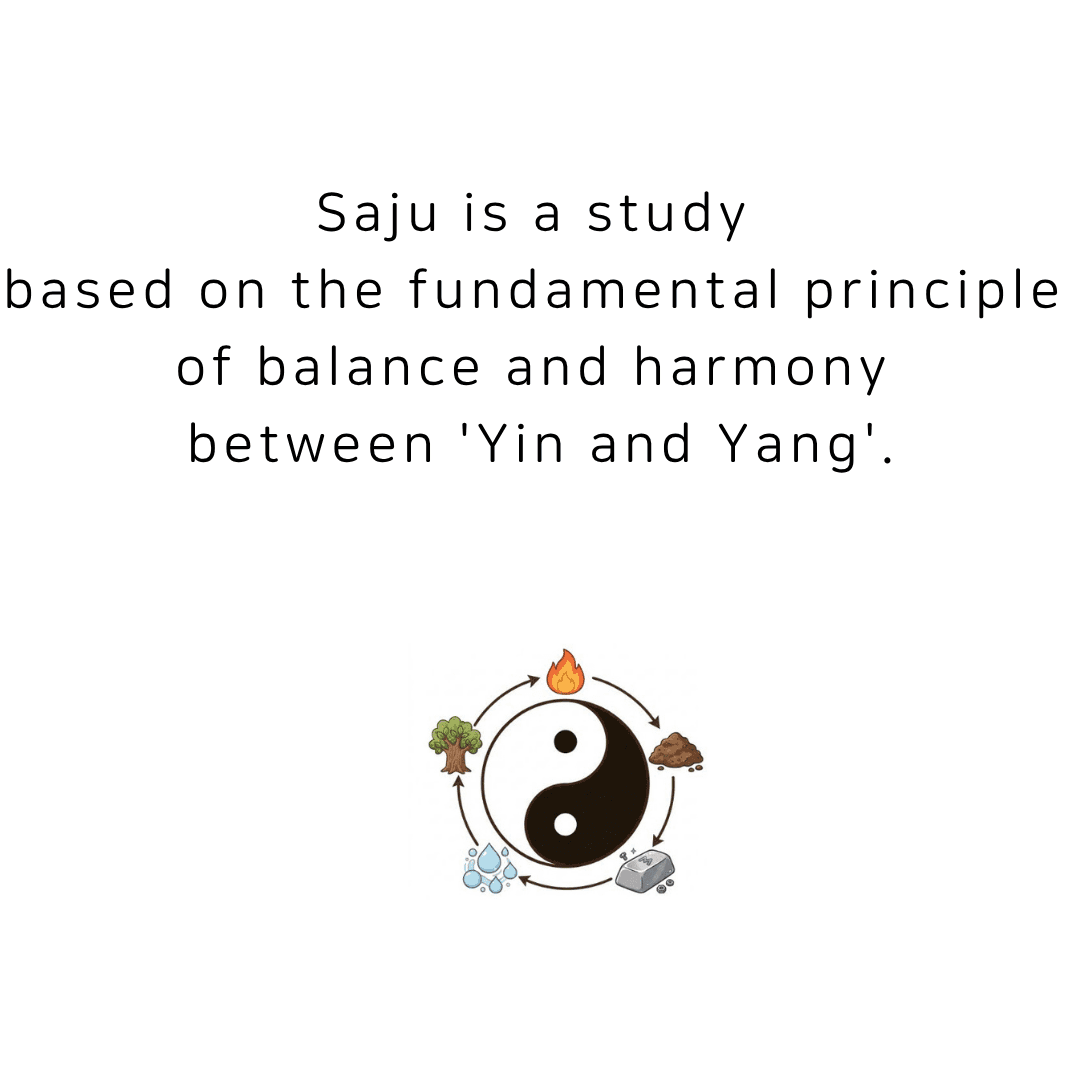
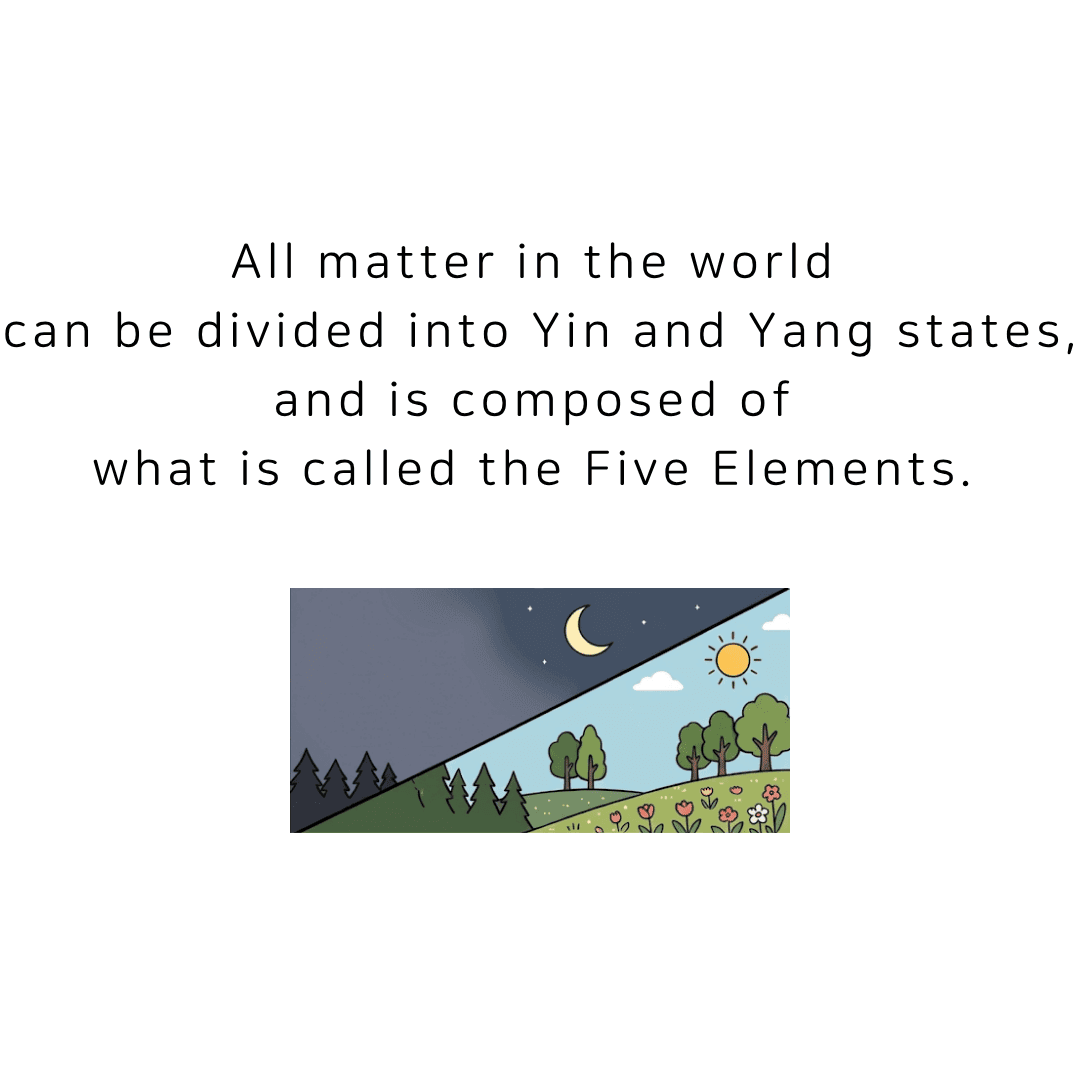
All matter in the world can be divided into Yin and Yang states, and is composed of what is called the Five Elements.
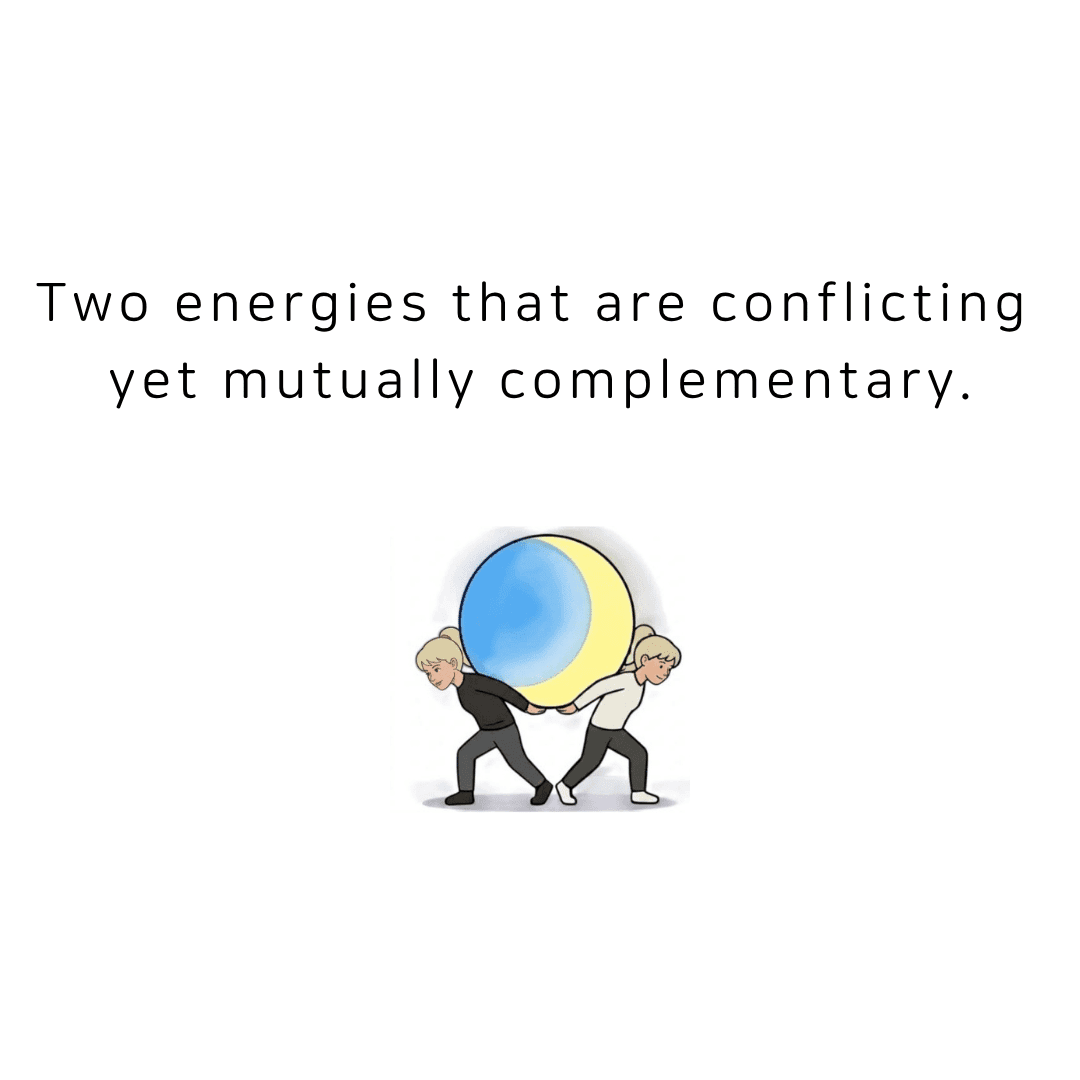
Yin and Yang are two energies that are conflicting yet mutually complementary.
'Yin' is thin, concave, cold, static, and dark.

'Yang' is thick, convex, warm, dynamic, and bright.

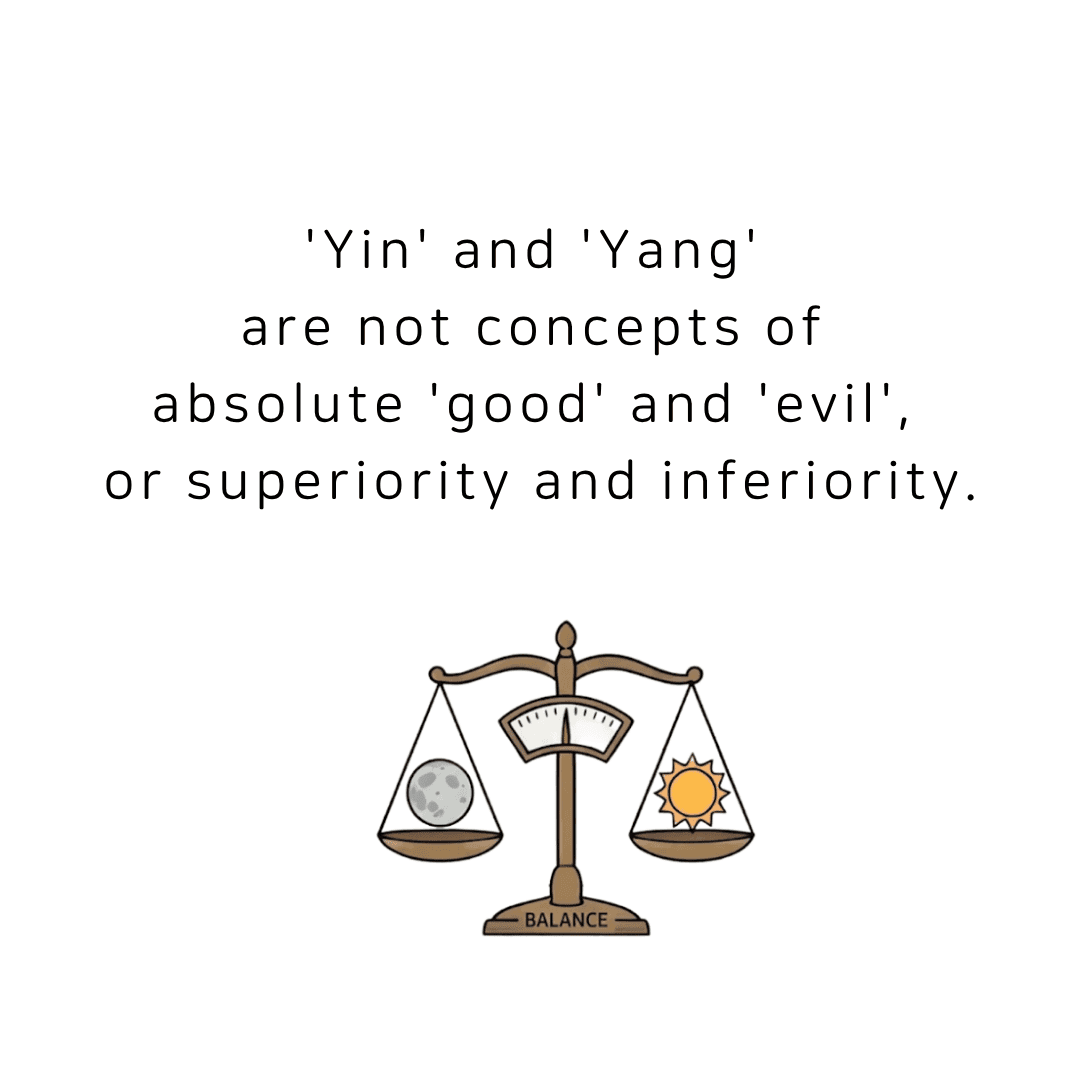
'Yin' and 'Yang' are not concepts of absolute 'good' and 'evil', or superiority and inferiority.
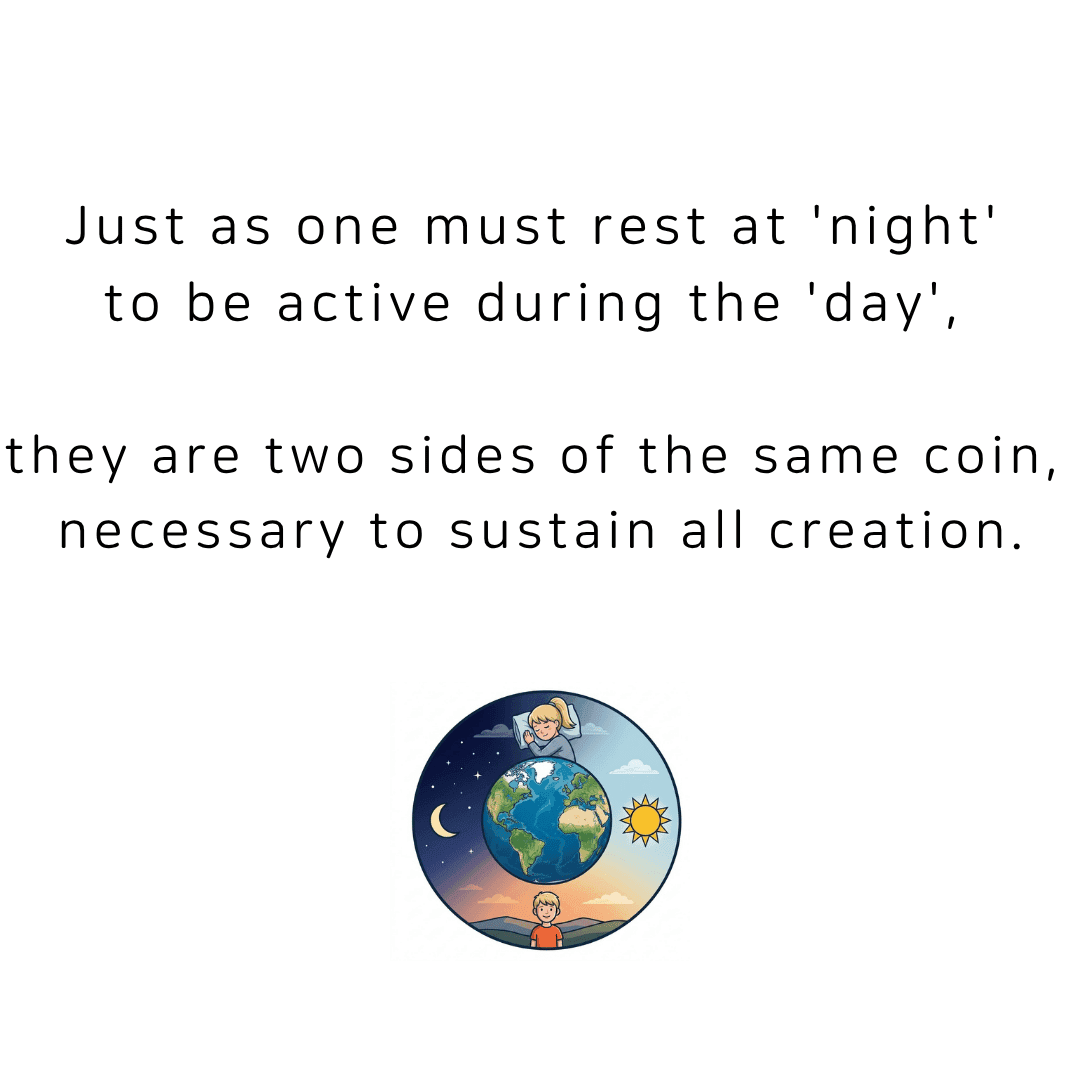
Just as one must rest at 'night' to be active during the 'day', they are two sides of the same coin, necessary to sustain all creation.
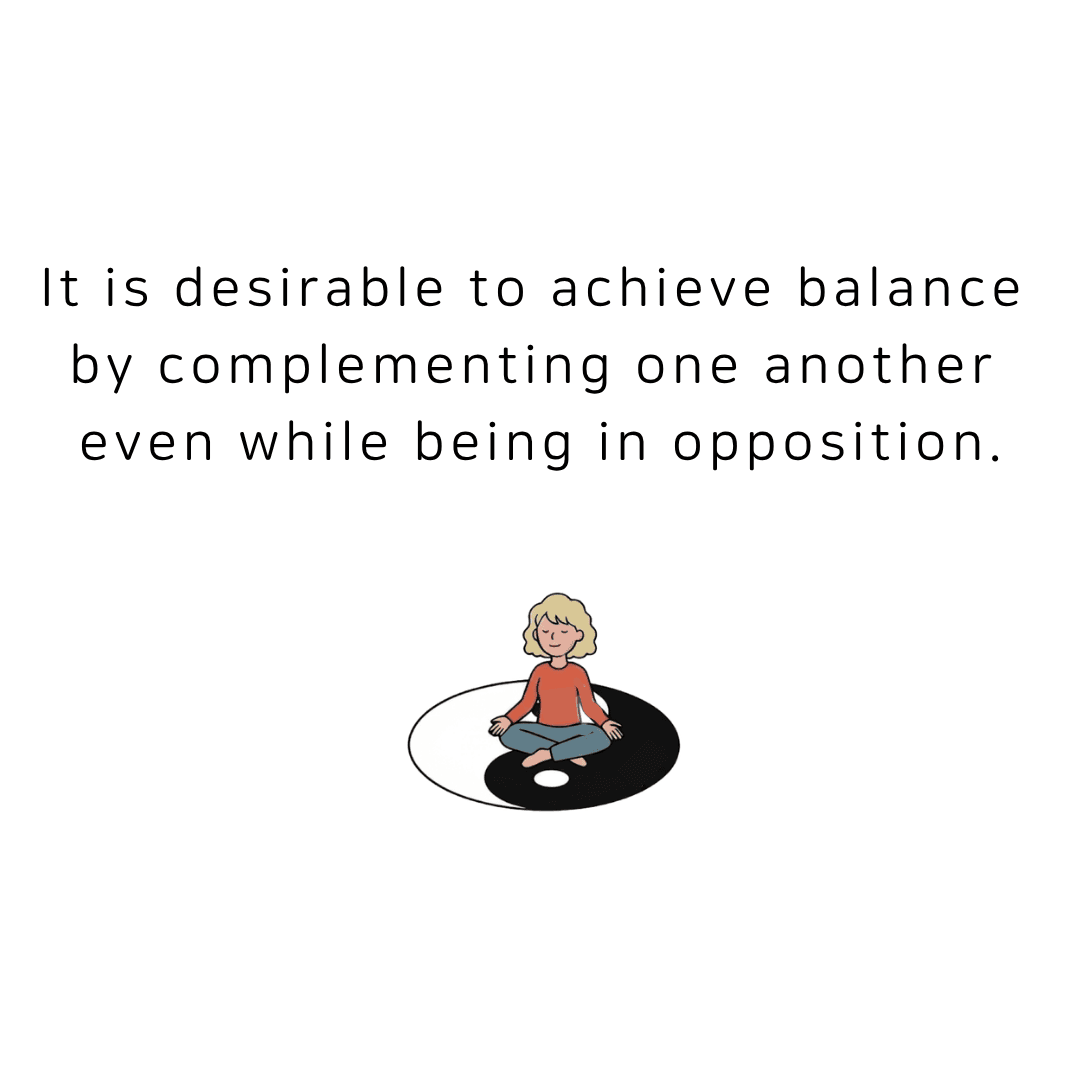
It is desirable to achieve balance by complementing one another even while being in opposition.
'Yin' and 'Yang' are not concepts of absolute 'good' and 'evil', or superiority and inferiority.
Like essential halves of a whole, they drive the cycle of life.
True harmony arises when opposing forces complete each other.