Hermann Hesse and the Concept of Yin and Yang (1)
How Hermann Hesse's writing echoes the yin-yang idea of opposites that complete each other, seen through a Korean saju lens.
Did you know that the core philosophy behind Hermann Hesse's literature is the concept of "Yin and Yang"?
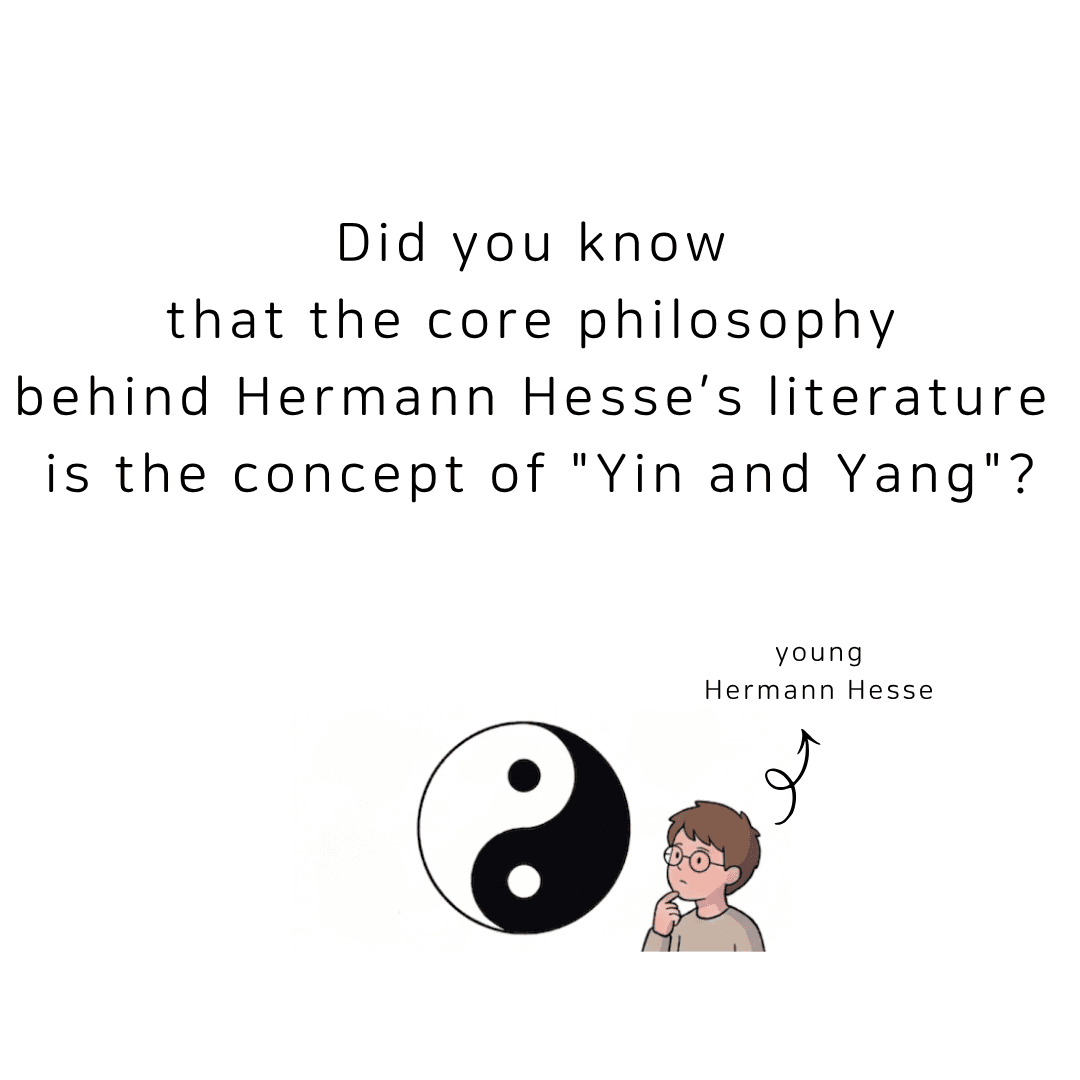
With an Indologist grandfather and missionary parents in India, Hesse grew up surrounded by Eastern scriptures and art.
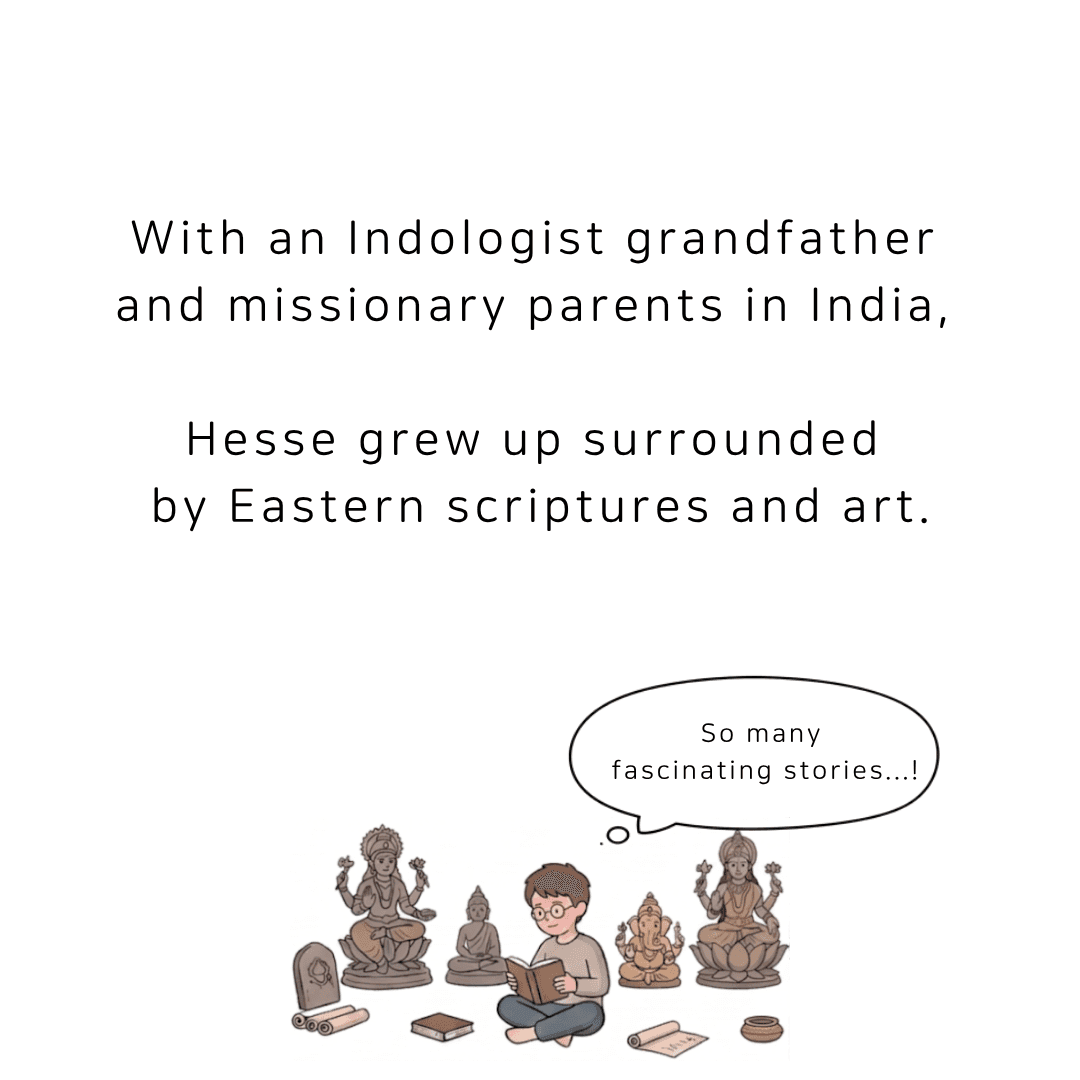
So, it was no coincidence that he became deeply fascinated by Eastern philosophies like the I Ching (Book of Changes), Buddhism, and Taoism.
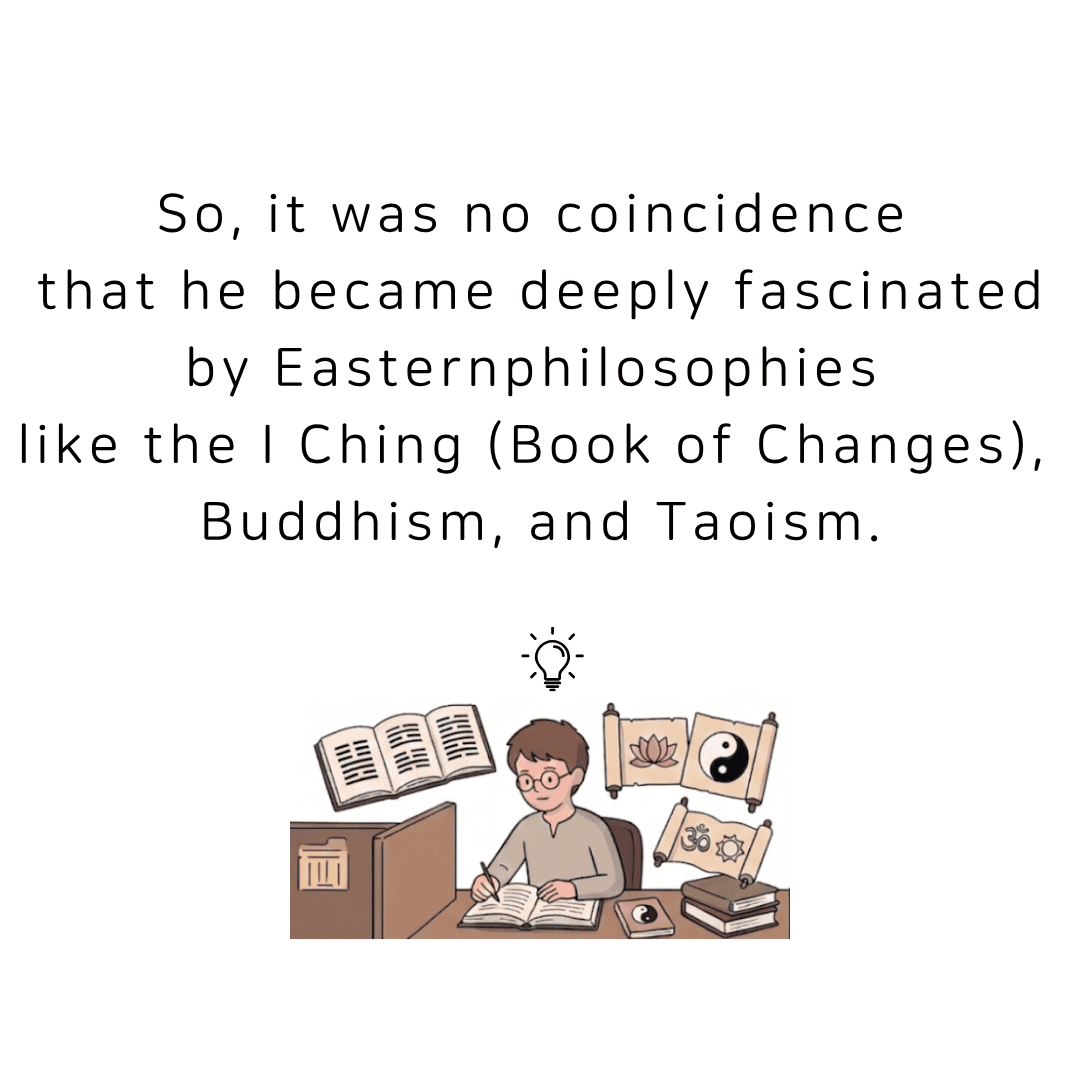
After suffering from severe depression during WWI, Hesse received psychotherapy from J.B. Lang, a student of Carl Jung.
Through this, he became deeply absorbed in Jung's 'analytical psychology.'
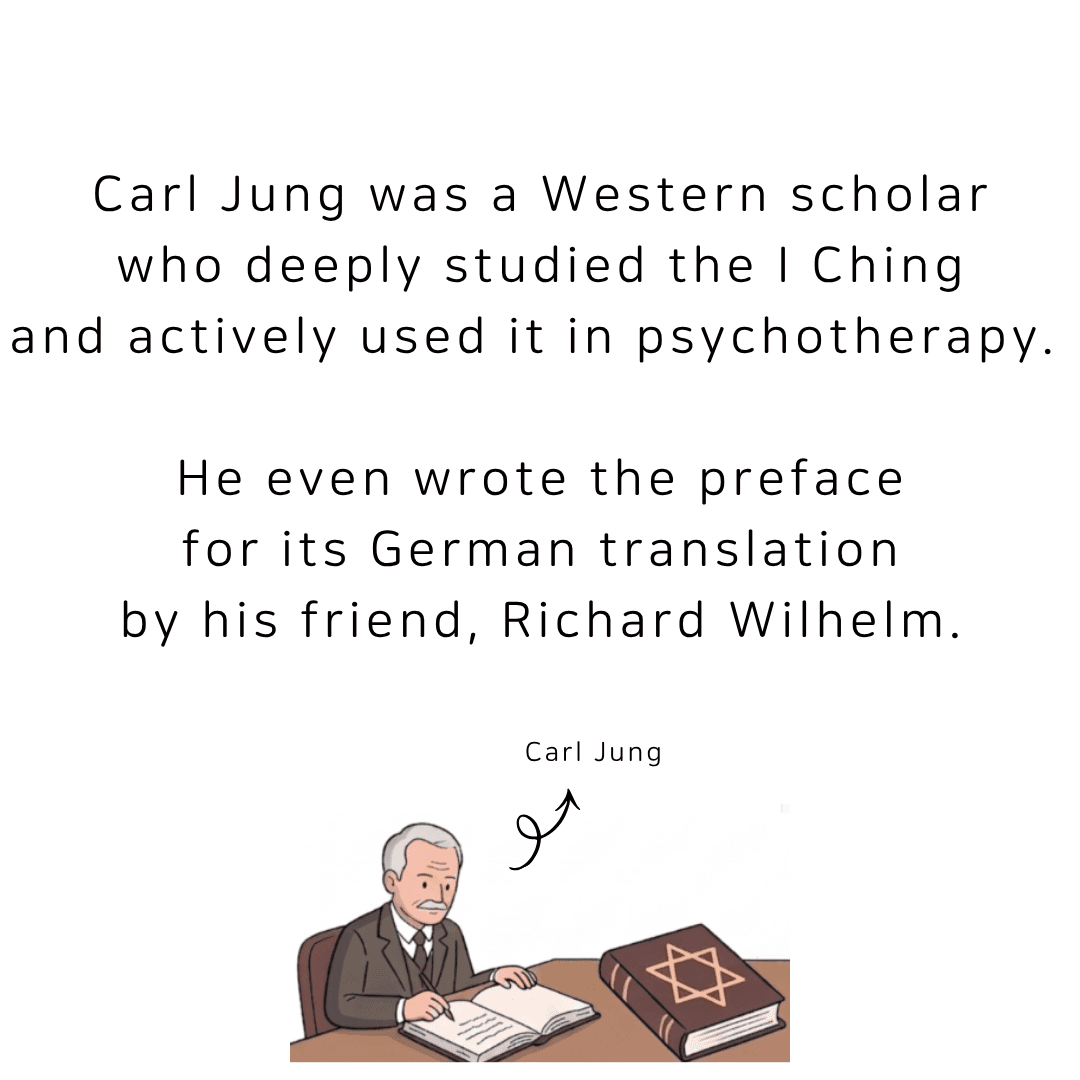
Carl Jung was a Western scholar who deeply studied the I Ching and actively used it in psychotherapy.
He even wrote the foreword to the English edition of his friend Richard Wilhelm's I Ching translation.
The decisive moment for Hesse's deep dive into the I Ching was discovering Richard Wilhelm's 1924 German translation.
The core question Hesse explored throughout his literary life was:
"How can we integrate the extremes within ourselves—like good and evil, reason and instinct, mind and body?"
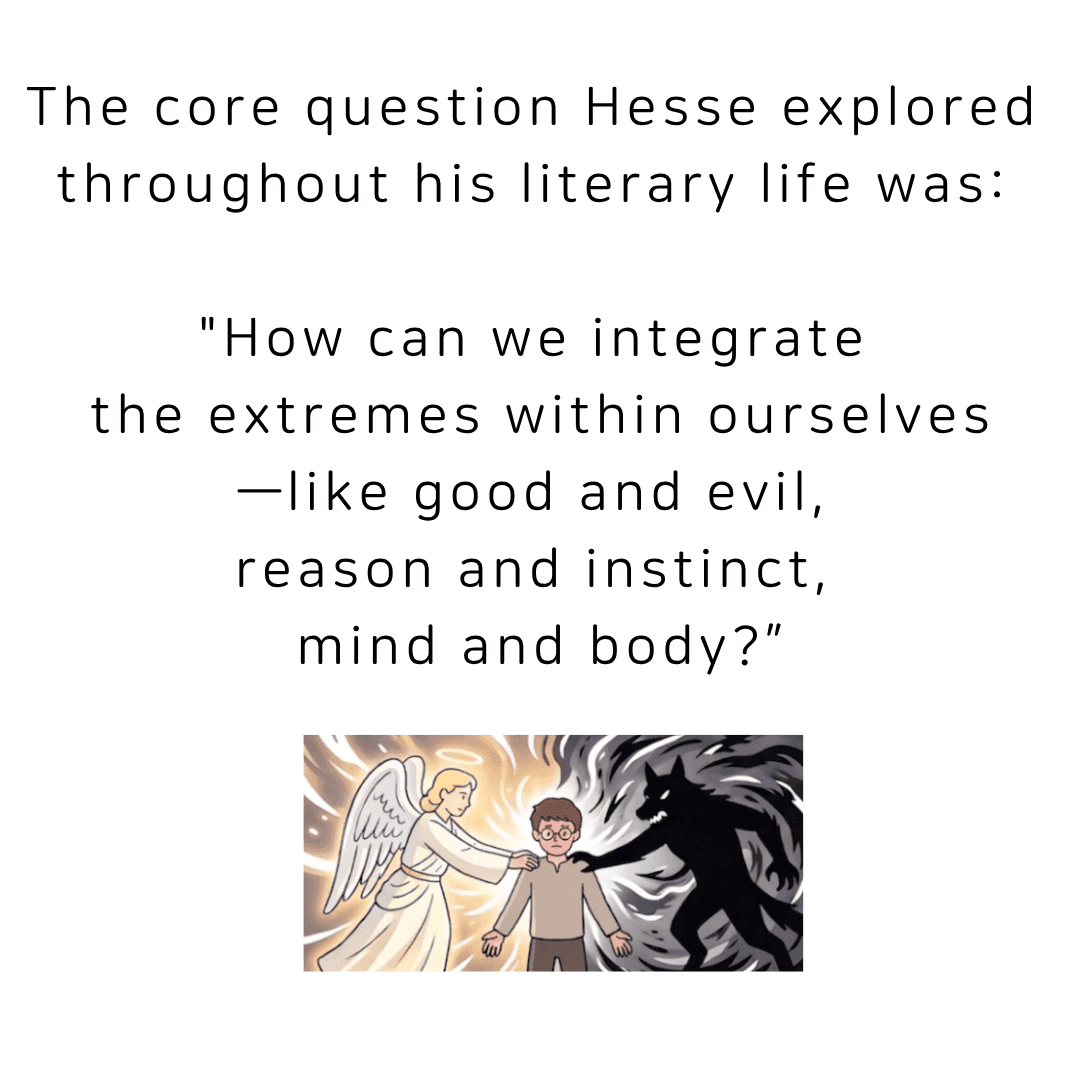
While traditional Western thought tried to strictly separate these and suppress one side, Hesse found the perfect answer in Yin and Yang.
The I Ching offered the ultimate solution to his lifelong dilemma: how to unite our two conflicting inner worlds.
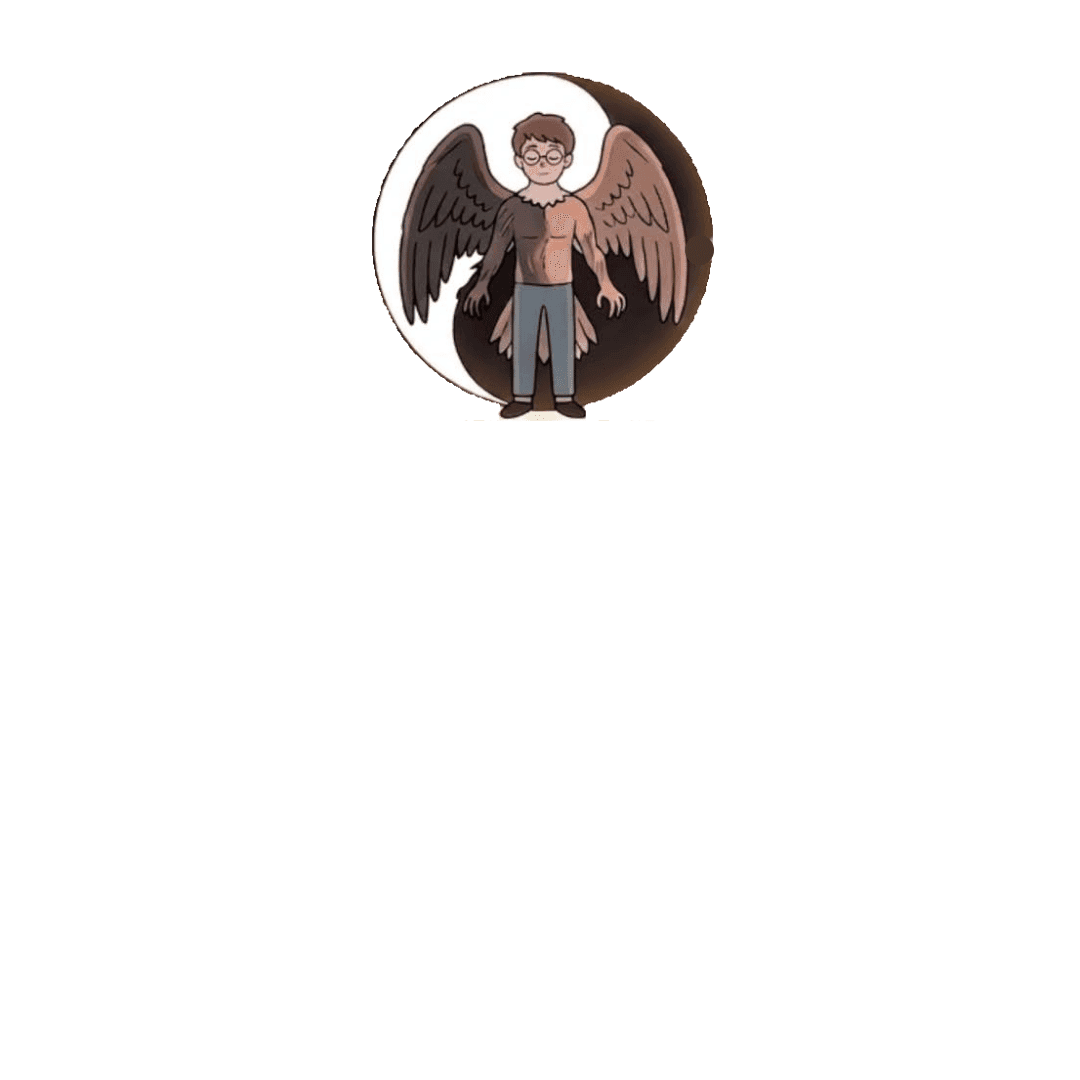
Growing up in a strict world that split good and evil, Hesse felt trapped.
He found the answer in the balance of Yin and Yang.
We can see this idea in his famous books: the god "Abraxas" in Demian, and the story of Siddhartha.
Hesse studied Eastern philosophies all his life.
They became the heart of his entire world.